+84 28 8889 9938
info@trivietco.vn
--°C | Đang tải...

The transportation and logistics industry is undergoing a major transformation with the emergence of lithium battery technology, particularly in electric vehicles such as forklifts, light trucks, and even ships. These battery technologies play a crucial role in improving operational efficiency, reducing costs, and minimizing environmental impact. Below are the key trends in the adoption of lithium batteries in transportation and logistics.
Electric Forklifts and Lithium Batteries: The Optimal Operating Solution
Lithium batteries are increasingly being used in electric forklifts. This not only reduces charging time and equipment downtime but also optimizes performance and battery lifespan. Forklifts equipped with lithium batteries can operate continuously throughout a work shift, thanks to fast-charging capabilities and a longer lifespan compared to traditional lead-acid batteries.
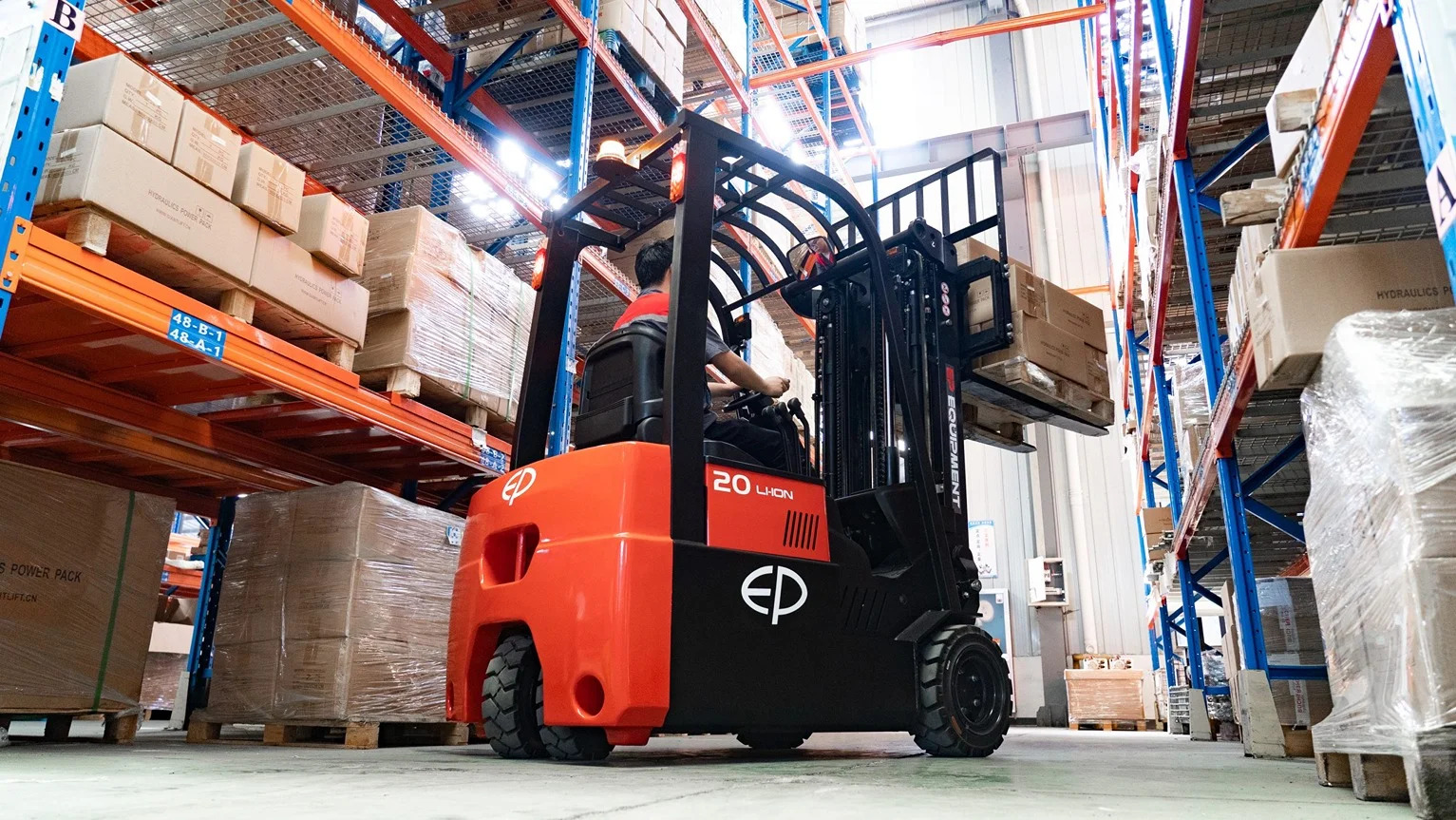
Lithium batteries also allow for flexible charging between shifts, eliminating complex maintenance processes such as water refilling and electrolyte checks required for lead-acid batteries. This helps reduce operating costs, enhance worker safety, and improve overall efficiency in logistics centers.
Application in Cold Storage
Another important application of lithium batteries in the logistics industry is their use in cold storage and warehouse operations. Lithium-ion batteries perform efficiently in low-temperature conditions, making them essential for cold storage systems in the food and pharmaceutical industries. Unlike traditional batteries, lithium batteries experience minimal energy loss in extreme temperatures, reducing energy costs and increasing overall efficiency.
Lithium Batteries in Ports: An Inevitable Logistics Trend
Ports are high-intensity work environments where lifting and transport equipment operate continuously. Lithium-powered equipment is gradually replacing diesel-powered or lead-acid battery-operated machinery, offering numerous advantages. These include lower emissions, reduced noise pollution, and increased energy efficiency, aligning with global sustainability goals.

The Future of Logistics with Lithium Batteries
With continuous advancements in battery technology—particularly in energy density, lifespan, and fast-charging capabilities—lithium batteries are set to remain the optimal choice for the transportation and logistics industry. These innovations position lithium batteries as an ideal alternative to traditional energy sources, helping businesses enhance operational efficiency, reduce long-term costs, and achieve sustainability objectives.
Conclusion
Lithium batteries are transforming the way the transportation and logistics industry operates. Their combination of fast charging, long lifespan, and superior safety compared to traditional battery types makes them the ideal choice for businesses looking to improve efficiency and reduce operating costs. As technology continues to advance, lithium batteries will play an increasingly vital role in modernizing and driving the sustainable growth of the logistics and transportation sector.



 Eng
Eng Vie
Vie